Shark and Whale Shark Scuba Diving in Cancun
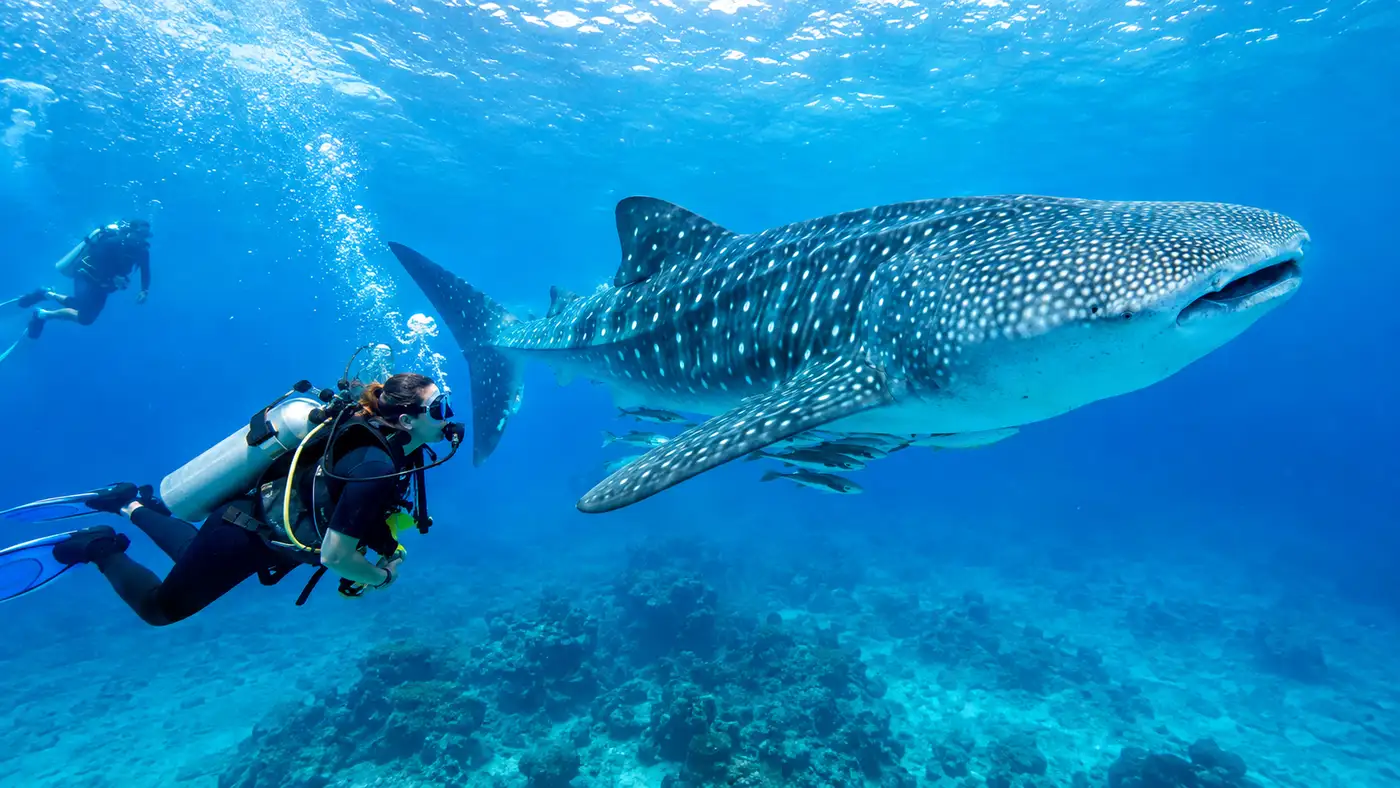
You roll off the edge of a panga twenty miles off the coast of Isla Mujeres, and the first thing that hits you is the color of the water. It is not turquoise like the resort beaches. It is a deep, bottomless violet. You stick your face in, clear your mask, and instantly forget to breathe because twenty feet away, a patterned creature the size of a city bus is cruising effortlessly toward you with its mouth wide open. Travelers booking cancun shark diving trips usually arrive with very specific, cinematic expectations about what they are going to encounter in the water.
Some want that gentle encounter with gentle giants. Others want the cold adrenaline of kneeling on a sandbar at seventy feet while pregnant bull sharks patrol overhead. The tricky part is that Cancun pulls in several completely different groups of pelagic animals throughout the year, and they demand completely different gear, seasons, and skill levels. If you show up in July expecting to scuba dive with bull sharks, you will leave disappointed. If you show up in January hoping to see whale sharks, you will find empty blue water.
Book your cancun scuba diving experience:
The Truth About Cancun Whale Shark Scuba Diving
I hear this question constantly from divers arriving at the marina: why cannot we put on tanks for the whale sharks? Search engines are full of queries for cancun scuba diving whale sharks and whale shark scuba diving cancun, but the reality on the water is strictly snorkel only. Mexican federal environmental regulations managed by CONANP and SEMARNAT make scuba diving with whale sharks cancun illegal inside the marine biosphere reserves.
It sounds counterintuitive until you see them. Whale sharks feed right at the surface, gulping down millions of fish eggs and microscopic plankton. The exhaust bubbles from a scuba regulator startle them, forcing them down into deeper, colder water away from their food. Snorkeling keeps everyone on top, where the sharks are already cruising. Honestly, you move much faster in a mask, snorkel, and long fins anyway. A thirty-foot animal moves with slow tail sweeps that look relaxed, but you will find yourself kicking hard just to stay alongside its dorsal fin for ninety seconds.
The season runs reliably from mid-May through mid-September, with the peak numbers arriving between July and mid-August. On good days out near the area known as the Afuera - an open water zone east of Isla Contoy - boats can find fifty to over a hundred sharks gathering in one stretch of ocean. You go out in small groups, usually two swimmers and a certified guide slipping into the water at a time so the animals do not get crowded or distressed.
Pro tip: Skip regular dimenhydrinate pills and get a scopolamine patch from your doctor before flying down. The run to the Afuera takes 45 to 80 minutes across open Caribbean swells, and you will be bobbing on a stationary 28-foot panga while waiting your turn to jump.
These trips leave early. Most boats depart Puerto Juarez or Punta Sam by 7:15 AM to reach the feeding grounds before the midday chop picks up. The morning run through the channel is smooth, but once you clear the northern tip of Isla Mujeres, you are in genuine blue open sea. If you want scuba diving with whale sharks in cancun, you have to accept the snorkel compromise. The second that massive, white-spotted face glides past your shoulder, you will not care about having a tank on your back anyway.
Bull Sharks and Real Shark Scuba Diving Cancun Sites
For actual shark scuba diving cancun experiences involving compressed gas, lead weights, and rows of razor-sharp teeth, your focus shifts to bull sharks. These are not filter feeders. They are heavy, muscular apex predators that gather along the Yucatan coast during the winter months, typically arriving in late November and sticking around until early March. Most of these sharks are pregnant females that come into the shallower, nutrient-rich coastal waters before giving birth in the brackish lagoons further south.
Most dedicated bull shark operations run out of Playa del Carmen, which sits roughly 45 minutes south of Cancun. Cancun dive shops will either drive you down in a private van or put you on a boat that cuts straight across. The dives are straightforward in profile but intense in atmosphere. You drop down to a flat sand bottom at roughly 72 to 80 feet, link arms or settle against the sand with your dive guide, and simply watch. Visibility usually hangs around 60 to 70 feet, and the water sits at a comfortable 78 degrees.
Operators run two different styles of encounters:
- Observation dives: Purely natural encounters where divers sit quietly on the seabed along the sharks' natural patrol routes without any chum or fish scraps in the water.
- Baited dives: A feeder in chainmail handles a scent canister or small fish portions to draw the animals into close proximity, often within arm's reach of the viewing line.
- Safety briefings: Mandatory protocol reviews covering dark-colored wetsuits, tucked-in bright gear, keeping hands close to your chest, and strict buoyancy control against bottom currents.
Seeing a nine-foot bull shark turn and swim directly toward you clears your mind faster than anything else on earth. They have thick shoulders, tiny dark eyes, and a slow, deliberate movement that commands absolute respect. You stay down for about 32 minutes, keeping your breathing steady to conserve gas while your heart tries to beat out of your chest.
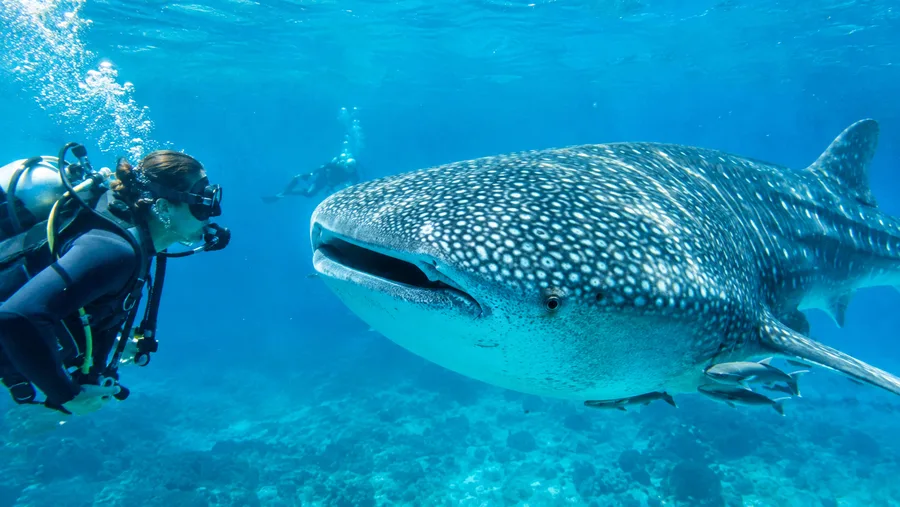
Comparing Cancun's Shark Encounters: Whale, Bull, and Reef Sharks
If you prefer your pelagics without the heart-stopping adrenaline of bull sharks, Cancun's local reefs have plenty of resident nurse sharks and occasional Caribbean reef sharks. Sites like Manchones Reef or the sunken gunboat wrecks are great places to spot nurse sharks sleeping under coral ledges. If you want to explore the famous wrecks where marine life congregates, our guide to the best Cancun dive sites for reefs and wrecks covers those locations in depth.
Deciding which trip fits your holiday depends on when you are visiting, your comfort level, and what gear you want to wear. This breakdown lays out the realistic details of each adventure:
| Shark Encounter | Prime Season | Experience Type | Typical Depth | Average Cost |
|---|---|---|---|---|
| Whale Shark Pelagic | June to August | Snorkel only | Surface (0 - 6 ft) | $165 - $210 |
| Bull Shark Encounter | December to February | Scuba (Advanced OW preferred) | 70 - 82 ft | $180 - $240 |
| Nurse Shark Reef Dive | Year-round | Scuba (Open Water) | 35 - 55 ft | $95 - $130 |
| Caribbean Reef Shark | November to April | Scuba (Drift dive) | 60 - 90 ft | $110 - $160 |
Nurse sharks are docile bottom dwellers. You can often swim within four feet of them without causing any reaction beyond a lazy flick of their tail. Caribbean reef sharks, seen more often around the deeper drop-offs off Cozumel and Puerto Morelos, are inquisitive but rarely linger as long as the bull sharks do.
Note: Flash photography and selfie sticks are strictly prohibited on both whale shark snorkel tours and bull shark scuba dives to prevent erratic animal behavior.
The rules exist for good reasons. When fifty boats share a marine reserve, respect keeps the animals returning year after year without incident.
Book your cancun scuba diving experience:
Combining Cenotes and Pelagic Encounters
A lot of travelers arrive with a bucket list ambition to do scuba diving cancun ceynotes and whale sharks in the same seven-day window. While the spelling gets mangled online, the dream makes total sense. You want the deep green mystery of the underground rivers paired with the massive scale of the ocean giants.
Pulling this off requires some clever planning because of seasonality and physical fatigue. Whale shark season peaks in the scorching heat of July, which happens to be an incredible time to dive into the chilly, freshwater sinkholes scattered throughout the jungle south of Cancun. A week split between ocean pelagics and cavern systems gives you an extraordinary cross-section of what Mexico has to offer underwater. If you have never experienced the haloclines and light beams of the caverns, read through our detailed breakdown of cenote and cave scuba diving from Cancun before planning your dive days.
Here is how a balanced five-day diving week looks when you want to sample both worlds during the summer crossover:
- Day 1: Easy two-tank warm-up dive on local Cancun reefs to dial in buoyancy and check rental gear.
- Day 2: Early morning whale shark boat out past Isla Mujeres, home by 2:00 PM for tacos and a hammock nap.
- Day 3: Freshwater cavern diving at Dos Ojos or Chac Mool, surrounded by limestone stalactites.
- Day 4: Deep reef drift dive along the Cozumel wall or the Puerto Morelos marine park.
- Day 5: Surface interval day visiting local Mayan ruins before flying out the following afternoon.
The transition between environments is wild. One day you are hanging in infinite ocean blue with no bottom in sight, watching thirty-foot whale sharks sweep through schools of bonito. The next morning you are descending through a tiny hole in the jungle floor into crystal-clear groundwater that has filtered through rock for thousands of years. The contrast keeps your vacation from feeling repetitive.
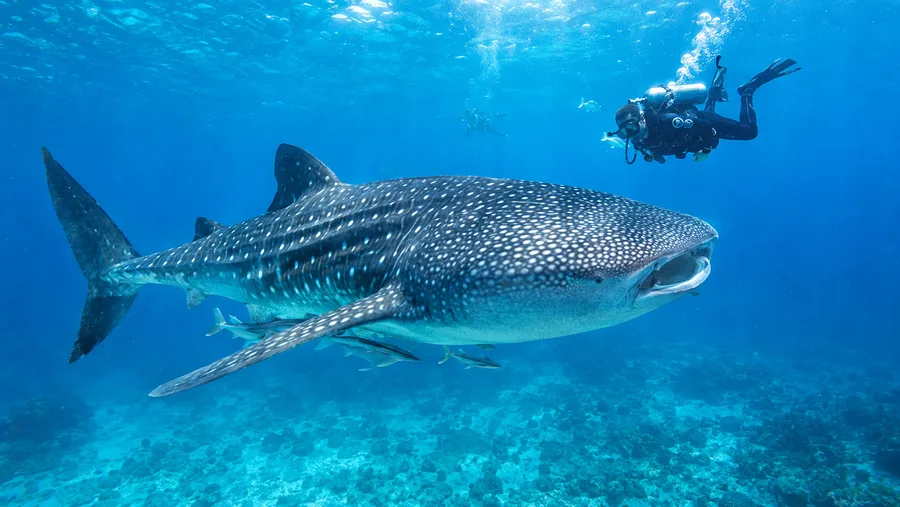
Nervous About Predators? Scuba Diving No Sharks Cancun Style
Not everyone reading this wants to share water with teeth. Plenty of divers and their family members search for scuba diving no sharks cancun because the thought of a bull shark showing up in their peripheral vision terrifies them. That fear is normal, especially if you have only logged a handful of dives in calm resort waters.
Cancun is actually an ideal place to dive if you prefer colorful fish, sea turtles, and zero predatory drama. The barrier reef running along the Hotel Zone is shallow, sunny, and sheltered. Bull sharks do not hang around these shallow coral gardens. They prefer the deeper drop-offs and sand shelves with heavy currents. Unless you deliberately book an open-ocean pelagic excursion or head to the specific bull shark staging grounds during the winter, your chances of running into a large predatory shark on an average Cancun reef dive are virtually zero.
For a calm, completely predator-stress-free experience, stick to these dive areas:
- Punta Nizuc: Very shallow reef gardens right at the southern tip of the hotel strip, filled with angelfish, blue tangs, and rays.
- MUSA (Cancun Underwater Museum): Hundreds of life-sized statues submerged in 28 feet of water, attracting schools of reef fish and sea turtles.
- Chitales: A calm, sunny site that rarely exceeds 35 feet, perfect for nervous beginners or rusty divers shaking off anxiety.
- Islote: Mild currents, healthy brain corals, and curious green moray eels that stay tucked deep inside their rocky crevices.
You can spend an entire week doing two tanks a day across these inner reefs without seeing anything more threatening than an inquisitive barracuda hanging motionless in the sunbeams. Tell your divemaster before boarding what kind of dive you want. They know these waters intimately and will place you on reefs where tranquility rules.
Frequently Asked Questions about cancun shark diving
Can you scuba dive with whale sharks in Cancun?
No, federal law prohibits scuba diving with whale sharks in Mexican waters. All encounters are snorkel only to avoid disturbing the sharks with regulator exhaust bubbles and to match their surface feeding habits.
When is the best time for cancun shark diving trips?
For whale sharks, visit between June and August when plankton blooms draw hundreds of animals. For bull shark scuba diving, visit between December and February when pregnant females gather off the coast.
Do I need an advanced certification for shark scuba diving cancun dives?
Yes, most reputable operators require an Advanced Open Water certification or proof of at least 25 logged dives for bull shark encounters due to the 75-foot depths and strong open-ocean bottom currents.
Are the bull shark dives safe?
Operators follow strict safety protocols established over decades. Divers stay grouped together on the sand bottom, wear black gear without reflective items, and are accompanied by feeder divemasters trained in shark behavior.
What happens if no sharks appear on our tour?
These are wild, migratory animals in open water. While sighting success during peak months is over 90% for both whale and bull sharks, nature offers no guarantees, and reputable shops rarely provide refunds for wildlife absences.
Quick Reference
- Whale shark season: May 15 to September 15 (snorkel only)
- Bull shark season: November through March (scuba at 75 feet)
- Water temp: 77°F winter to 84°F summer
- Typical boat ride: 40 to 90 minutes into open ocean
- Wetsuit choice: 3mm full suit for bulls, rashguard for whale sharks
Book your cancun scuba diving experience:
The Bottom Line
Cancun gets an unfair reputation as just a party strip, but the pelagic marine life passing through this channel puts it on par with any top-tier ocean destination on the planet. Whether you choose the dizzying scale of swimming alongside a gentle whale shark in sixty miles of open blue or the quiet, electric tension of watching a bull shark emerge from the gloom at seventy feet, you are entering their world entirely on their terms. Pick the right season, pack your reef-safe sunscreen and seasickness meds, and let the Mexican Caribbean show you what real wild ocean water looks like.
Read more about cancun scuba diving.