Best Cancun Dive Sites: Coral Reefs and Wrecks
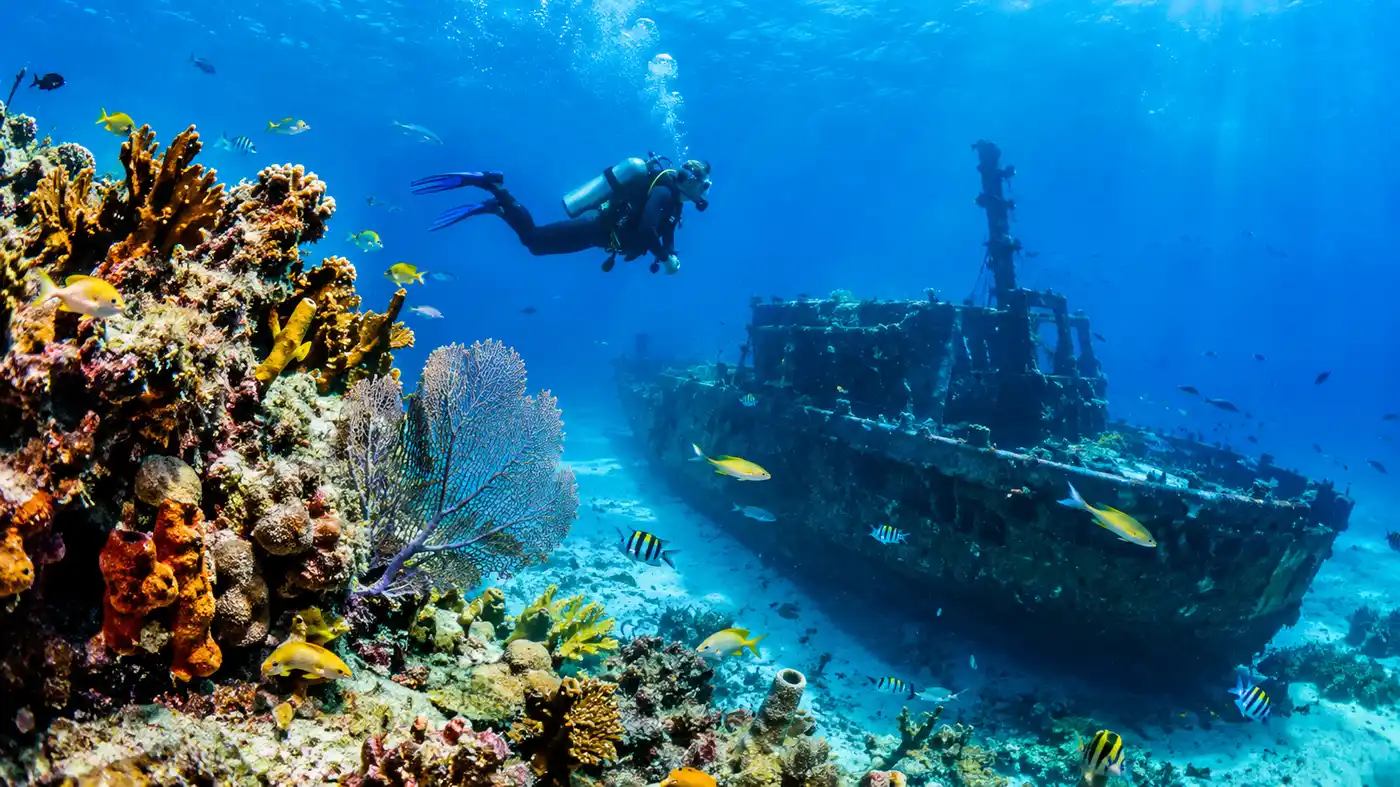
Most divers write Cancun off before they even touch down at the airport. They hear stories about rowdy spring break crowds, jet skis screaming across turquoise shallows, and milky visibility near shore. But drop thirty feet beneath the surface along the Mesoamerican Barrier Reef system, and that resort noise fades into steady regulator breathing and clicks of parrotfish gnawing on brain coral. If you take the time to map out the best cancun dive sites, you will find quiet drift reefs, cavernous swim-throughs, and World War II naval gunboats covered in black coral and glassy sweepers.
The waters off the Yucatan Peninsula split into very distinct micro-environments. Shallow, protected gardens sit between Isla Mujeres and the mainland. Deeper limestone ledges face the open Caribbean on the east side of the sand spit. Choosing the right spot depends on how well you handle chop, whether you like poking into rusty corridors, and how much current you want carrying you down the reef line. Here is a realistic look at where to put your fins in the water.
Book your cancun scuba diving experience:
Classic Reefs: Manchones, Punta Cancun, and Outer Ridges
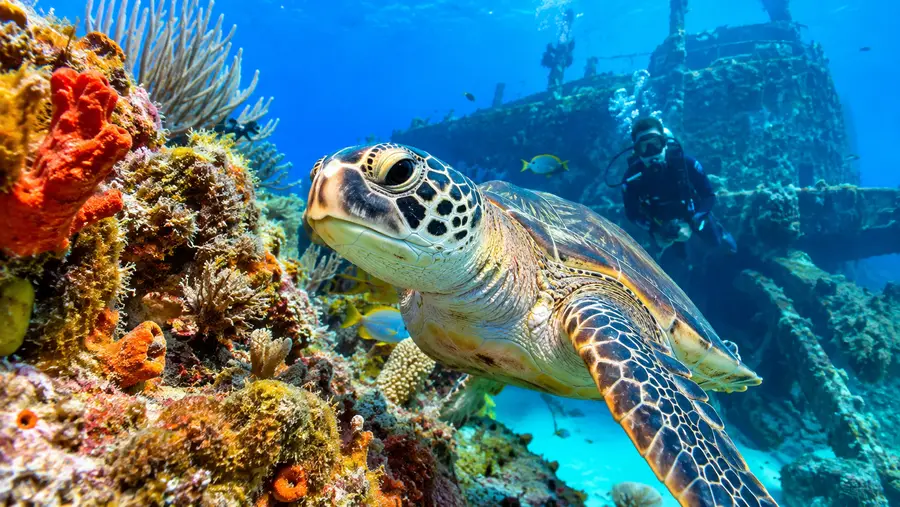
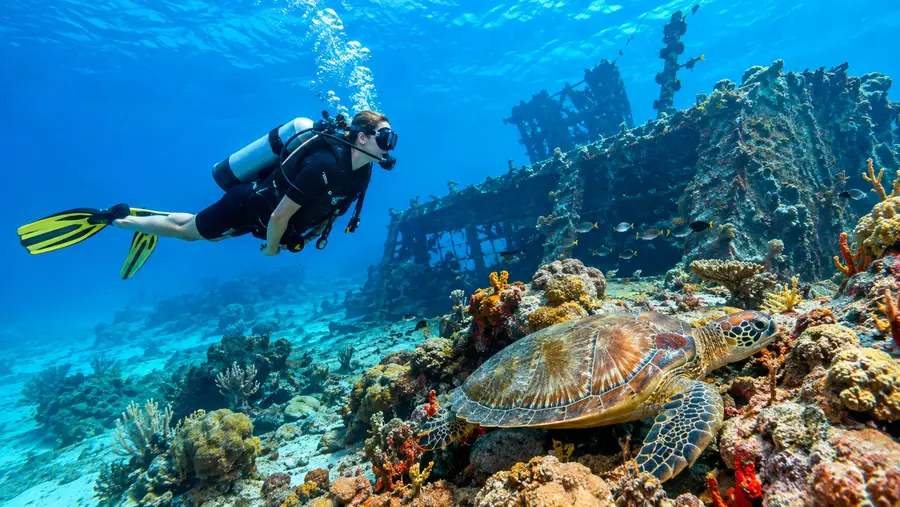
If you ask local dive masters about the bread-and-butter spots, they will usually point you toward the Isla Mujeres marine park first. Manchones Reef is the star here. It stretches over a mile in shallow water, averaging 28 to 35 feet deep. It has almost no surface current on regular days. Because the sunlight hits the bottom so cleanly, hard corals like elkhorn and massive brain coral heads thrive across the ridges. You will see green sea turtles grazing on sea grass beds near the edges. Schools of blue tangs move across the coral heads like wind through wheat.
Cancun scuba diving manchones reef also offers a look at artificial habitats mixed directly with wild structures. Scattered along its southern edge are several underwater art installations that have become encrusted with purple sea fans and algae. Keep your eyes peeled for the cancun scuba diving manchones reef dog sculpture, a quirky piece that always has a curious damselfish defending the concrete snout. Just south of that cluster lies another quiet patch, often referred to as cancun scuba diving muncha reef, where yellow stingrays bury themselves flat beneath the fine sand.
Move further south toward Punta Cancun scuba diving territory, and the dive profile changes completely. Sites like San Toribio and Los Cuevones drop down to roughly 45 to 55 feet. The current here runs faster, sweeping out of the channel. Cuevones features a series of arches and low overhangs where nurse sharks love to wedge their heads for midday naps. You drift quietly past them, using your air gently, watching moray eels poke thick, spotted snouts out of limestone fissures.
Note: Outer reefs near Punta Cancun sit exposed to eastern swells. If the wind kicks up past 15 knots, boats roll heavily and surface visibility drops fast near the surge channels.
Scuba diving in reef cancun environments means keeping your buoyancy tight. The reef systems here are fragile limestone spurs. If you drop a knee or kick a fan, you kill decades of growth in two seconds. It takes decent trim to glide through the sand chutes between the fingers of coral without stirring up a silt cloud behind you.
Wreck Diving Cancun: The Navy Minesweepers
When you want something deeper than sunny 30-foot gardens, wreck diving cancun delivers genuine adrenaline. During the late 1990s and early 2000s, the Mexican Navy took several decommissioned World War II vessels, stripped them of oils, and scuttled them to build artificial reefs. The most famous by far is the C-58 General Anaya, lying roughly 40 minutes off the coast in 82 feet of water. Hurricane Wilma tore the 184-foot vessel clean in half back in 2005, which actually improved the diving by opening up wide, well-lit entryways into the engine room and galley.
Between December and March, the C-58 turns into a gathering ground for spotted eagle rays. They school by the dozens, hovering in the open blue current right above the radar mast like a squadron of underwater gliders. It is easily one of the best scuba diving sites cancun has to offer if you have an Advanced Open Water card. The C-55 Juan de la Barrera sits slightly further north at similar depth. While it stayed intact during the storms, its holds are packed with massive groupers and schools of silver barracuda hanging motionless in the shadows.
| Dive Site | Average Depth | Current | Skill Level | Main Attraction |
|---|---|---|---|---|
| Manchones Reef | 30 - 35 ft | Mild to None | Beginner / Open Water | Turtles, coral heads, sculptures |
| C-58 General Anaya | 70 - 85 ft | Moderate to Strong | Advanced Open Water | Split hull wreck, eagle rays |
| Los Cuevones | 40 - 50 ft | Moderate | Intermediate | Swim-throughs, resting nurse sharks |
| San Toribio | 45 - 60 ft | Moderate Drift | Intermediate | Spotted morays, soft corals |
| Chitales | 15 - 25 ft | Mild | Beginner / Refresher | Juvenile fish, calm training sand |
Diving these wrecks requires monitoring your bottom time closely. At 80 feet, on standard air, your no-decompression limit ticks down fast, usually giving you about 25 to 28 minutes before you need to start your slow ascent. Bring a dive light even on sunny days. Without one, the wreck looks like a monotone blue shadow. Flick the beam on, and the bulkhead walls explode into orange sponges and creeping tunicates.
Scuba Diving Cancun Hotel Zone: Logistics and Shallow Gardens
You do not have to motor an hour offshore every morning to find great marine life. Scuba diving hotel zone cancun operations run straight out of marinas on the Nichupte Lagoon side, cutting through the mangrove channels to hit the reefs within fifteen minutes. Sites like Chitales and El Tunnel sit right off the main strip of resorts. They are shallow, rarely topping 25 feet, making them ideal warm-up spots or locations for people getting their open water certification.
These inner spots feature scattered coral heads dotted across bright white sand flats. It looks unassuming at first glance. But if you slow down and inspect the edges of the coral, you will find tiny cleaner shrimp dancing inside corkscrew anemones, camouflaged flounder matching the ripple marks on the sea bed, and trumpetfish hanging vertically beside sea rods. It is relaxed, easy diving with minimal gear fuss.
Pro tip: Book morning charters leaving between 8:00 AM and 8:30 AM. Winds routinely kick up across the lagoon in the afternoon, making the boat ride bumpy and churning up the shallow nearshore reefs.
For visitors wanting something completely different alongside the reefs, the nearby Cancun Underwater Museum installations at the Manchones gallery add hundreds of life-sized cement figures to your dive log. Combining an art gallery dive with a shallow natural reef dive is the standard morning profile for most operators running out of the hotel zone marina docks.
Book your cancun scuba diving experience:
Night Scuba Diving Cancun and 2-Tank Schedules
When the sun drops behind the Cancun skyline, the underwater landscape flips completely. A reef that looked calm and sleepy at noon turns into an active hunting ground at 8:00 PM. Night scuba diving cancun trips generally head to Manchones or Punta Cancun because the navigation is straightforward and the depths stay well under 40 feet. Giant spiny lobsters that hide deep in dark cracks all day crawl openly across the sand. Crabs the size of dinner plates pick at the reef edges.
Turtles park themselves under coral shelves to sleep, blinking heavily in the peripheral beam of your torch. Octopus turn out to be the real prize on these night outings. They ripple across the rocks, morphing from mottled brown to pale ghost white in half a second as they search for small crabs. If you switch your torch off against your chest for ten seconds and sweep your arm through the water, bioluminescent dinoflagellates spark like underwater fireflies.
Most travelers end up booking a 2 tank scuba diving cancun package to make the most of their mornings. A standard trip gets you on the boat by 8:15 AM, out to the first deeper site by 9:00 AM, through an hour surface interval on the boat with pineapple slices, and back to the marina docks by lunch. To keep a 2-tank outing running smoothly, keep a few habits in mind:
- Check your weight harness early: Warm Caribbean salt water is very buoyant, so an aluminum 80 tank needs about 2 to 4 pounds more lead than you might wear in cold freshwater lakes.
- Bring a light windbreaker: The boat ride back across the open bay feels chilly once your rash guard or shorty wetsuit is soaked, especially in winter breezes.
- Take seasickness meds at breakfast: Even calm turquoise waters develop an awkward roll when the dive boat anchors for a 45-minute surface interval.
- Pack reef-safe mineral sunscreen: Chemical sunscreens damage the coral polyp colonies, and marine park rangers regularly inspect boats for compliance.
Choosing Where to Dive in Cancun Based on Experience
Cancun diving sites do not follow a one-size-fits-all formula. If you are fresh out of your pool sessions with six lifetime dives, dropping down a mooring line into 85 feet of open water on the C-58 wreck is going to stress you out. That strong drift current can separate buddy pairs in seconds. For novices, the Isla Mujeres marine park reefs provide a wide safety margin. You can float along at 30 feet, burn through your gas slowly, and practice buoyancy without any surge pinning you down.
If you have twenty or thirty dives logged, aim your attention at the open Caribbean side. Punta Cancun scuba diving sites offer that sweet spot of moderate depth and drifting over rolling coral ridges. You cover a lot of ground without kicking hard, essentially letting the oceanic conveyor belt fly you past barracudas and schools of horse-eye jacks. For experienced divers wanting wall dives, consider heading down to Puerto Morelos or Cozumel for a dedicated day trip to see sheer vertical drops that plunge past hundreds of feet.
When planning your trip schedule around the weather and marine conditions, keep these local operational factors in mind:
- Winter northers (Nortes): Cold fronts sweeping from the north between November and February can shut down the Cancun harbor master for days, canceling all boat departures.
- Summer water temperatures: Expect bath-water conditions reaching 84 degrees Fahrenheit from July through September, requiring nothing more than a 2mm shorty or basic rash guard.
- Current variations: Tides ripping through the channel between Isla Mujeres and Cancun change velocity quickly, turning gentle drifts into fast, exhilarating flights.
- Visibility drops: Heavy summer plankton blooms can drop visibility from 90 feet down to 45 feet, though they bring pelagic marine life much closer to shore.
Scuba diving in cancun reefs gives you a surprising mix of terrain once you look past the umbrella drinks and high-rise towers. It is an accessible, colorful diving destination that works just as well for someone blowing bubbles for the first time as it does for an experienced photographer hunting macro subjects in shallow sunlight.
Frequently Asked Questions about cancun dive sites
What is the best place to scuba diving in cancun for beginners?
Manchones Reef is by far the safest, easiest spot for novices. It averages 30 feet of depth, has virtually zero current, and features great sunlight penetration along with calm sea turtles and dense schools of grunts.
Can I dive the World War II wrecks without an advanced certification?
Most reputable dive charters require an Advanced Open Water certification or at least 25 logged dives with proof of deep-water experience. The C-58 and C-55 wrecks sit in over 80 feet of water where current can be unpredictable.
How far are the dive sites cancun boats visit from the hotel zone?
Reefs right outside the barrier like Chitales take about 15 minutes by boat. Sites near Manchones and Isla Mujeres take roughly 30 to 45 minutes depending on the sea state and boat motor size.
Is scuba diving cancun hotel zone waters worth it compared to Cozumel?
Cancun dive sites offer shallower coral gardens, quirky sculptures, and genuine military wrecks with shorter travel times. Cozumel wins for giant vertical walls and high-velocity drift dives, making both spots worth visiting for different reasons.
Quick Reference
- Depths: 25 to 85 feet across all main sites
- Visibility: Typically 50 to 90 feet
- Water Temp: 78°F (winter) to 84°F (summer)
- Top Wreck: C-58 General Anaya
- Best Reef: Manchones
Book your cancun scuba diving experience:
The Bottom Line
Cancun rewards divers who venture beyond the poolside loungers and take the morning boat ride out to the barrier formations. Whether you spend your bottom time watching spotted eagle rays coast over rusted naval deck guns or drifting past sleepy nurse sharks tucked under coral arches, these waters hold far more life than the resort reputation suggests. Pack your mask, book an early morning slot before the chop rises, and go see what lies beneath the hotel strip.
Read more about cancun scuba diving.